
Community
Temple airport to host emergency response exercise Nov. 4
By Lydia G. Escobar
Advertisement · Why this ad?
David is a graduate of Texas A&M University with a degree in Communication. With 5 years of experience at Tyler’s local newspaper, he has developed a keen eye for issues impacting the community, focusing on local government and civic engagement.
More from David →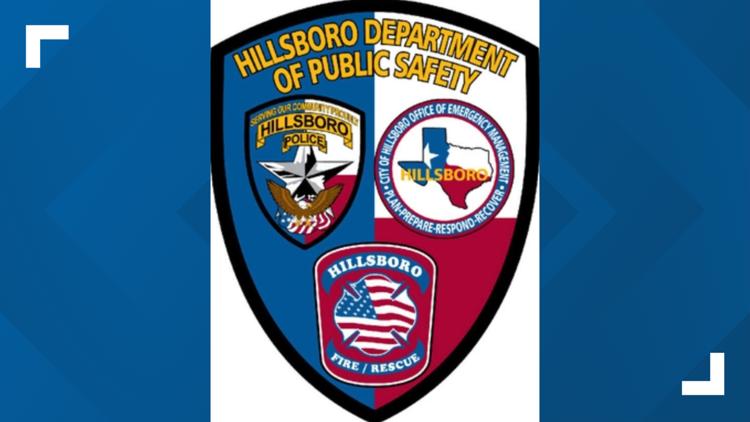
In an age where digital communication is the norm, the Hillsboro Department of Public Safety has issued a stark warning to residents about a burgeoning email scam. This alert comes as a timely reminder that vigilance is crucial to protecting personal finances in our increasingly connected world, especially for the hardworking families and individuals who form the backbone of our communities.
The Hillsboro Department of Public Safety recently released an advisory to the community regarding a costly email scam. This proactive measure aims to equip citizens with the knowledge needed to identify and avoid becoming victims of these deceptive schemes, which can lead to significant financial loss and emotional distress.
The warning from Hillsboro DPS underscores a pervasive threat that extends far beyond city limits, impacting communities like our own here in Tyler. These email scams, often sophisticated in their design, prey on trust and urgency, aiming to trick individuals into divulging sensitive information or transferring funds directly to criminals. Scammers frequently impersonate legitimate organizations, government agencies, or even trusted acquaintances to achieve their illicit goals.
Many of these schemes fall under the umbrella of 'phishing,' where fraudsters send deceptive emails to trick recipients into clicking malicious links or providing personal data. Other common tactics include 'spoofing,' where the sender's email address is faked to appear legitimate, and 'business email compromise' (BEC) scams, which target businesses but can also impact individuals through fraudulent invoices or payment requests. The financial impact on victims can be devastating, eroding hard-earned savings and causing immense stress.
The Hillsboro DPS release specifically outlines the nature of these scams and provides actionable advice on how to avoid falling prey. This guidance is critical for all residents, particularly our seniors and those less familiar with the nuances of online security, who are often disproportionately targeted. Protecting our community means ensuring everyone has the tools to defend themselves against these digital predators.
The anxiety of potential financial loss is a heavy burden, and local business owners have expressed concern about the impact of such scams on their community's trust and economic stability. When individuals lose money to fraud, it not only affects their personal well-being but can also ripple through the local economy, impacting small businesses and community services. Our collective financial health is intertwined, making this warning vital for the entire region.
To combat these threats, education is our strongest defense. The Federal Trade Commission (FTC) offers extensive resources on identifying and avoiding scams, emphasizing that legitimate organizations will rarely ask for personal information or payment via unsolicited emails. Residents are encouraged to verify any suspicious requests by contacting the organization directly through official channels, not through information provided in the email itself.
For families striving to maintain financial stability and build a secure future, understanding these risks is paramount. Committed marriages and intact families often pool resources and make joint financial decisions, making them a potential target for scams that exploit shared accounts or family emergencies. Open communication within the household about potential scams can serve as an important first line of defense.
The Hillsboro Department of Public Safety advises several key practices to protect against email scams. Always be skeptical of unsolicited emails, especially those demanding immediate action or offering unbelievable deals. Check the sender's email address carefully for subtle misspellings or unusual domains. Hover over links before clicking to see the true destination URL, and never open attachments from unknown senders.
Furthermore, strong, unique passwords for all online accounts are non-negotiable. Utilizing two-factor authentication (MFA) adds an extra layer of security, making it significantly harder for unauthorized users to access your accounts even if they obtain your password. Regularly updating software and operating systems also patches security vulnerabilities that scammers might exploit.
Our community, built on hard work and trust, is not immune to these digital attacks designed to undermine our security. The Texas Attorney General's office (OAG) provides consumer protection resources and alerts specifically for Texas residents, offering localized advice and avenues for reporting fraud. Staying informed through these official channels is a crucial step in safeguarding our personal and communal assets.
Recognizing the red flags of an email scam can save individuals from significant heartache. Common signs include urgent or threatening language, requests for personal or financial information, grammatical errors or awkward phrasing, and unexpected attachments. Emails from unknown senders asking for gift cards or wire transfers should always raise immediate suspicion.
If you suspect you have received a scam email, do not reply, click on any links, or open attachments. Instead, forward the email to the Anti-Phishing Working Group at [email protected] and then delete it. For scams involving government impersonation, the U.S. government's official fraud reporting site, USA.gov/stop-scams-frauds, is an invaluable resource.
Should you or someone you know fall victim to an email scam, immediate action is essential. Contact your bank or financial institution to report fraudulent charges and consider placing a fraud alert on your credit reports with the major credit bureaus (Equifax, Experian, TransUnion). Reporting the incident to the Internet Crime Complaint Center (IC3) of the FBI is also critical, as it helps law enforcement track and prosecute cybercriminals.
The proactive stance taken by the Hillsboro Department of Public Safety serves as a powerful example for all local law enforcement agencies and community leaders. By disseminating information and fostering public awareness, we can build a more resilient community, one where the digital landscape is navigated with caution and confidence. This collective effort is vital for protecting the financial well-being of every family and individual.
As residents take heed of these warnings, the hope is that a united front against scams will foster a stronger, more resilient community, capable of protecting its members from evolving digital threats. Our shared commitment to vigilance and mutual support will ensure that our community remains a safe and prosperous place for all, upholding the values of security and trust that define us.
The importance of community engagement cannot be overstated. Local organizations, churches, and civic groups can play a significant role in disseminating these warnings and providing support. Resources like the National Cyber Security Alliance (NCSA) offer materials that can be shared to educate a wider audience, reinforcing the message that online safety is a shared responsibility.
Ultimately, the strength of our community lies in its people – their commitment to family, their hard work, and their willingness to look out for one another. By embracing the advice from our public safety officials and leveraging available resources, we can collectively safeguard our financial futures and ensure that the promise of a stable, loving household remains within reach for all.
By Lydia G. Escobar

By Maya Rodriguez

By David Holloway

By Ella V. Ramirez