Community
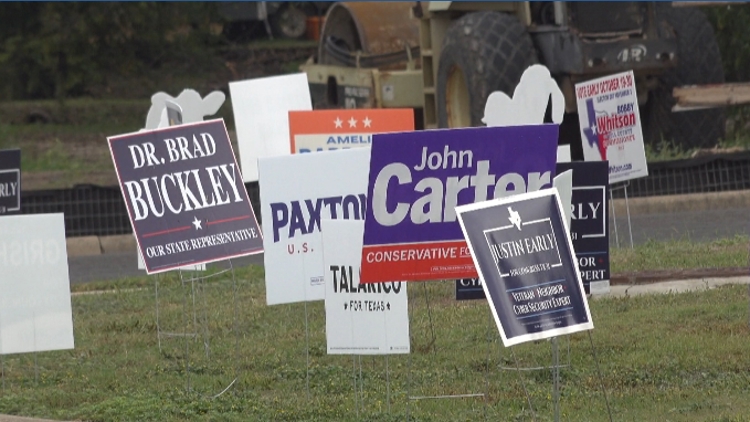
Local Ballot Guide: Here's who is running for office in Waco, Temple, Killeen and more
By Maya Rodriguez
Advertisement · Why this ad?
Carlos, a sociology graduate from the University of Texas at Arlington, has spent 4 years focusing on community issues in East Texas for various local publications. He seeks to amplify underrepresented voices and issues in the area.
More from Carlos →
As the sun rises over Tyler this Election Day, excitement fills the air as residents prepare to make their voices heard. The scent of fresh coffee wafts through local cafés, where friends gather to discuss the issues that matter most to them. For many, today is not just about choosing candidates but also about shaping the future of their community through important propositions on the ballot.
This year, voters in Central Texas will have the opportunity to weigh in on several local propositions that could significantly impact their communities. Among the key issues are propositions related to funding for public schools, improvements to local infrastructure, and community safety initiatives. These propositions are designed to address pressing needs and enhance the quality of life for residents.
For instance, Proposition A seeks to allocate funds for the renovation of public school facilities across the Tyler Independent School District. This proposition has garnered support from parents and educators alike, with many believing that updated facilities will provide a better learning environment for students. If passed, it is expected to improve not only the physical condition of schools but also the overall educational experience.
Another critical measure on the ballot is Proposition B, which focuses on enhancing local infrastructure. This proposition aims to secure funding for road repairs and improvements, a pressing issue in many parts of Tyler. As traffic congestion continues to rise, residents are eager to see significant changes that will ease their daily commutes. The proposition's supporters argue that investing in infrastructure is essential for the community's growth and safety.
To better understand the implications of these propositions, it's essential to recognize the broader context in which they exist. Tyler, with a population of over 100,000, has seen rapid growth in recent years, resulting in increased demands on public services. The local school district has reported a surge in enrollment, which has placed additional strain on existing facilities. Proposition A aims to address this by not only renovating older schools but also expanding programs that cater to the diverse needs of students, including special education and vocational training.
Proposition B, on the other hand, is particularly timely as local residents have voiced concerns about safety on the roads. With an uptick in traffic accidents and complaints about potholes and poorly maintained streets, the urgency for infrastructure enhancements has never been more pronounced. Local leaders, including Mayor Don Warren, have emphasized the importance of this proposition, stating, "Investing in our roads is investing in our community's future. We need to ensure that our families can travel safely and efficiently throughout Tyler."
As Election Day approaches, local organizations have ramped up efforts to inform voters about the propositions on the ballot. Community forums and informational sessions have been held throughout the city, providing residents with a platform to ask questions and express their concerns. These gatherings have been instrumental in raising awareness about the implications of each proposition.
Residents like Maria Gonzalez, a mother of three and an active member of the Tyler community, have taken it upon themselves to educate their neighbors about the propositions. "It's crucial that we understand what we're voting for and how it affects our families," she said during a recent community meeting. Maria's passion for her children's education and community safety reflects a sentiment shared by many in Tyler.
In addition to community forums, local schools and churches have also played a vital role in disseminating information. Many have distributed flyers that outline the key propositions, ensuring that even those who may not have access to the internet are informed. This grassroots approach to voter education underscores the community's commitment to making informed decisions.
Local leaders have also been vocal about the importance of these propositions. Tyler City Council member, Angela Smith, has been actively participating in town hall meetings, encouraging residents to engage with the electoral process. "These propositions are about our community's future. We need to come together to support measures that will benefit all of us," she stated at a recent gathering. Her enthusiasm resonates with many who feel a strong sense of civic duty during this election cycle.
The propositions on the ballot are not just political statements; they represent the hopes and dreams of families in Tyler. By investing in education and infrastructure, community members are essentially investing in the future of their children and the overall prosperity of the region.
For families like the Johnsons, who have lived in Tyler for over a decade, the outcome of these propositions is personal. "We want our kids to have access to the best schools and safe roads to travel on," said John Johnson, a local business owner. His wife, Sarah, echoed his sentiments, adding, "It's about creating a better environment for our children to grow up in. We want them to thrive here, just like we did." This sentiment is shared by many families who view these propositions as a pathway to ensuring a brighter future for the next generation.
The long-term benefits of these propositions extend beyond immediate improvements. Enhanced educational facilities can lead to higher student performance, which in turn can attract new families and businesses to the area. Similarly, improved infrastructure can stimulate economic growth by making Tyler a more accessible and appealing place to live and work. According to local economic experts, investing in these areas can yield significant returns for the community, fostering a thriving local economy and increasing property values.
As the polls open and residents begin to cast their votes, the atmosphere is charged with anticipation. The results of these propositions will not only shape local policy but also reflect the values and priorities of the Tyler community. Many are hopeful that the outcome will lead to positive changes that will foster a stronger, more connected community.
In the days following the election, community leaders will be closely monitoring the results and planning next steps based on the outcomes. If the propositions pass, discussions will likely shift toward implementation and how best to allocate funds to ensure that the intended improvements are realized. Local officials are already preparing to engage with residents to discuss how these funds will be utilized, emphasizing transparency and community involvement in the decision-making process.
Regardless of the results, one thing is clear: the engagement and passion displayed by Tyler residents during this election cycle demonstrate a commitment to their community's future. As they gather to celebrate the democratic process, families across Central Texas are reminded of the power of their voices and the importance of voting. This election is more than a civic duty; it is an opportunity for residents to shape the community they envision for themselves and their children.
By Maya Rodriguez
By Carlos Sanchez
By Carlos Sanchez
By Maya Rodriguez