
Community
Art Is Everywhere: Marilyn Ritchie finds a lifetime of inspiration in ceramics
By Maya Rodriguez
Advertisement · Why this ad?
Maya is a proud East Texan with over 15 years of reporting experience, having graduated from the University of Texas at Tyler. Prior to joining Tyler Current, she was the Community Engagement Editor for the Longview News-Journal, where she focused on local stories that inspire and empower. Her passion for storytelling stems from her early days in journalism at NPR's Houston affiliate.
More from Maya →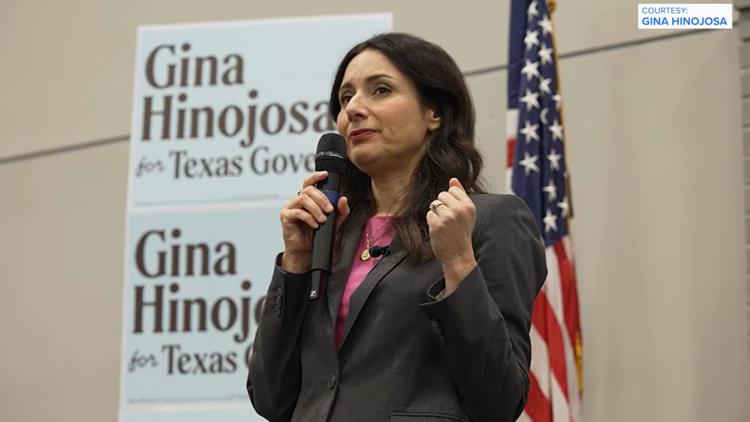
On a sunny afternoon in Tyler, Texas, families gather at the local park, children laughing and playing under the watchful eyes of their parents. Among them is Maria Gonzalez, a single mother of two, who often dreams of a little extra financial support to ease her burdens. "Just a little help could mean the world to us," she says, her eyes reflecting both hope and determination. As the community buzzes with conversations about potential financial relief, many are asking: will Texans receive $1,500 as proposed by Governor-elect Gina Hinojosa?
Recently, Governor-elect Gina Hinojosa announced a bold plan to potentially distribute $1,500 payments to Texans, utilizing $17 billion from the state’s rainy-day fund. This proposal has sparked excitement and curiosity among residents, particularly those like Maria who are seeking a financial lifeline. However, it’s essential to understand that no specific payment or distribution date has been established yet. As discussions unfold, many are left wondering what conditions must be met for this plan to come to fruition.
Hinojosa's plan comes at a time when many families are feeling the pinch of rising costs and economic uncertainty. The idea of receiving a one-time payment could provide much-needed relief, allowing families to cover essentials, invest in education, or even save for the future. But as with any government proposal, there are hurdles to navigate before any funds are released.
The rainy-day fund, which is intended to provide financial support during economic downturns, has been a topic of debate among lawmakers. While many support the idea of using these funds to assist Texans, others express concerns about the long-term implications of depleting this reserve. The conversation is complex, and as Hinojosa prepares to take office, the community watches closely.
In Tyler, reactions to Hinojosa’s proposal are mixed, reflecting the diverse perspectives of its residents. During a recent town hall meeting, community members voiced their opinions, ranging from enthusiastic support to cautious skepticism. Local business owner James McAllister shared, "I think it’s a great idea! This money could really help families like Maria’s and stimulate our local economy. People would spend it here, supporting small businesses like mine."
Conversely, others worry about the sustainability of such a plan. “What happens when the rainy-day fund runs out?” asked Sarah Thompson, a mother of three. “We need to think about the future, not just immediate relief.” These differing viewpoints highlight the importance of balancing immediate needs with long-term fiscal responsibility.
Community organizations are also weighing in on the discussion. The East Texas Food Bank has emphasized the need for ongoing support for families struggling with food insecurity, regardless of the payment plan. Their executive director, Laura Shields, noted, “While $1,500 can provide a temporary boost, we must address the underlying issues that lead to poverty in our community.”
To grasp the full scope of Hinojosa’s proposal, it is crucial to understand the factors that could influence its implementation. The Texas Legislature will play a significant role in determining whether the plan moves forward. Lawmakers will need to evaluate the economic conditions, public sentiment, and the potential impact on the state’s budget.
Furthermore, the proposal’s success hinges on bipartisan support. As we know, Texas politics can be unpredictable, and garnering consensus among legislators from different parties can be challenging. Hinojosa has expressed her commitment to working collaboratively with lawmakers to ensure the plan’s success, but the path ahead remains uncertain.
In addition to political considerations, economic indicators will also be closely monitored. Should Texas experience a downturn or an unexpected financial crisis, the rainy-day fund may be called upon for other urgent needs, complicating the distribution of funds for direct payments.
If Hinojosa’s plan is approved, the impact on families across Texas could be significant. For many, the $1,500 payment would represent more than just financial assistance; it could symbolize hope and stability in uncertain times. Families like Maria Gonzalez’s could use the funds to pay for school supplies, medical bills, or even save for a family outing.
Moreover, the ripple effects of such payments could extend beyond individual households. Local businesses could see an uptick in sales as families spend their newfound funds, providing a much-needed boost to the economy. As James McAllister noted, “When families have more money in their pockets, they’re more likely to support local businesses, creating a cycle of growth.”
However, it is essential to approach this potential windfall with caution. Financial experts advise families to consider their long-term financial health rather than viewing the payment as a one-time solution. Budgeting wisely and planning for the future can help ensure that the benefits of the payment are maximized.
As the community awaits further developments, various resources are available for families seeking support. Organizations such as the East Texas Food Bank and United Way of Tyler provide essential services ranging from food assistance to financial literacy programs. These organizations play a vital role in helping families navigate challenging times, regardless of whether direct payments materialize.
Additionally, local churches and community centers often offer programs aimed at supporting families in need. Many congregations emphasize the importance of strong, intact families, providing resources for marriage counseling, parenting classes, and financial planning workshops. These initiatives reflect the community’s commitment to fostering resilience and stability.
For those interested in staying informed about Hinojosa’s proposal and its progress, the Texas government website serves as a valuable resource. Residents can access updates on legislative developments and learn more about the rainy-day fund’s status.
As we look ahead, the future of Gina Hinojosa’s payment plan remains uncertain. The new administration will need to navigate the complexities of Texas politics while addressing the pressing needs of its residents. For families like Maria Gonzalez’s, the prospect of financial relief brings a glimmer of hope.
Community engagement will be crucial in the coming months. Residents are encouraged to voice their opinions and participate in discussions with local leaders about the plan's potential impact. By coming together, the Tyler community can advocate for their needs and ensure that their voices are heard.
In the meantime, families are urged to explore available resources and prepare for whatever lies ahead. Whether or not the $1,500 payments become a reality, the strength of the Tyler community lies in its commitment to supporting one another through thick and thin. Together, we can weather any storm.
By Maya Rodriguez
By Maya Rodriguez
By Maya Rodriguez

By Carlos Sanchez