
Community
2026 Midterm Live Election Night Results | Here's who won, who lost across Central Texas
By David Holloway
Advertisement · Why this ad?
David is a graduate of Texas A&M University with a degree in Communication. With 5 years of experience at Tyler’s local newspaper, he has developed a keen eye for issues impacting the community, focusing on local government and civic engagement.
More from David →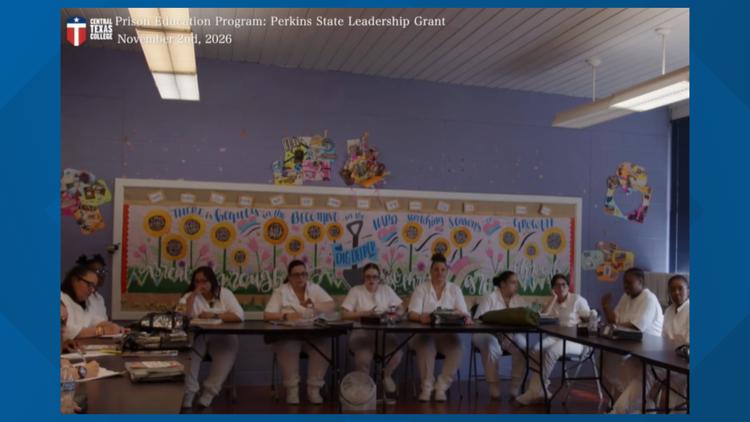
In a pivotal moment for education and rehabilitation in Central Texas, Central Texas College (CTC) has been awarded a significant grant of $300,000. This funding is aimed at enhancing Information Technology (IT) education for incarcerated students, providing them with essential skills to successfully reintegrate into the workforce upon their release. The announcement came during a press conference held at the college, where officials gathered to discuss the transformative potential of this initiative.
The grant, awarded by the Texas Workforce Commission, is part of a broader effort to reduce recidivism rates by equipping inmates with marketable skills. CTC's program will focus specifically on IT education, which is increasingly in demand in today's job market. According to the U.S. Bureau of Labor Statistics, employment in IT occupations is projected to grow 13% from 2020 to 2030, much faster than the average for all occupations.
CTC President Dr. Thomas E. Johnson emphasized the importance of this grant, stating, "Education is a powerful tool for change. By investing in the education of our incarcerated individuals, we are not only helping them gain skills but also fostering a safer community. When individuals are given the opportunity to learn and grow, they are far less likely to reoffend." This sentiment reflects a growing recognition of the role that education plays in rehabilitation and community safety.
This initiative aligns with the college's long-standing commitment to providing educational opportunities to underserved populations. The program aims to offer courses in computer programming, cybersecurity, and data management, all of which are critical areas in the IT field. The choice of IT as a focus area is particularly relevant given the increasing reliance on technology in various industries, making these skills essential for future job seekers.
The community's response has been overwhelmingly positive, with many local leaders and residents expressing their support for CTC's mission. Mayor Don Warren of Tyler remarked, "This grant is a significant step forward for our community. It shows that we believe in second chances and the power of education to transform lives. We need to invest in our people, and this is a great way to do that." His comments resonate with a broader movement in Central Texas that emphasizes restorative justice and the importance of rehabilitation over punishment.
Local residents have also voiced their enthusiasm. Many families in the area have been affected by incarceration, and this program is seen as a beacon of hope for those looking to rebuild their lives. Community member Sarah Mitchell, whose brother is currently incarcerated, shared her thoughts: "Programs like this give us hope. My brother has always been interested in technology, and if he can learn these skills, it could change everything for him when he gets out."
The ripple effect of this program extends beyond the individuals directly involved. Families of incarcerated individuals often bear the brunt of the challenges associated with incarceration, including financial strain and emotional distress. By providing education and job training, CTC is not only helping these individuals but also their families, who will benefit from their loved ones' successful reintegration into society. The support from families can be crucial in ensuring the success of individuals as they transition back into the community.
Local non-profit organizations, such as the Tyler Chamber of Commerce, have also voiced their support, emphasizing the importance of workforce development in reducing crime rates. Executive Director Lisa Johnson stated, "Programs like this are essential. They not only help individuals find jobs but also contribute to the overall economic health of our community. A thriving workforce means a thriving community." This perspective highlights the interconnectedness of education, employment, and community well-being.
As the program gears up for implementation, it's essential to recognize the stories of those who have already benefited from similar initiatives. Take, for example, James Carter, a former inmate who completed a similar IT training program at a different institution. Upon his release, he was able to secure a job as a network technician, which not only provided him with financial stability but also allowed him to support his family. James now advocates for educational programs in prisons, sharing his story in local schools and community centers, emphasizing the importance of second chances and the impact of education.
Such success stories are crucial in fostering community support for the program. They serve as tangible proof that education can lead to change, inspiring other incarcerated individuals and their families to believe in the possibilities that lie ahead.
With the grant secured, CTC is set to begin implementing the program in early 2024. The college plans to collaborate with local correctional facilities to establish a curriculum that meets both the educational needs of the students and the demands of the job market. This collaboration will ensure that the courses are relevant and accessible, providing inmates with the tools they need to succeed.
In addition to the IT courses, CTC will also provide support services such as resume writing workshops and interview preparation sessions. These components are crucial in ensuring that students are not only equipped with technical skills but also prepared to navigate the job market effectively. Career counseling will also be a key component of the program, helping students identify their strengths and align them with potential job opportunities.
As CTC moves forward with this initiative, community involvement will be key to its success. Local businesses and organizations are encouraged to participate by offering internships and job placements for program graduates. This collaboration can create a bridge between education and employment, ensuring that students have a pathway to meaningful careers upon their release.
Moreover, CTC plans to host community forums to keep residents informed about the program's progress and to gather feedback. This engagement will not only help refine the program but will also foster a sense of ownership and investment among community members, reinforcing the idea that everyone has a role in supporting rehabilitation efforts.
CTC's long-term vision for this program includes expanding its reach to more correctional facilities across Central Texas. The college aims to create a comprehensive network of educational opportunities that will empower individuals throughout their incarceration and beyond. By establishing partnerships with various correctional institutions, CTC hopes to create a model that can be replicated in other regions, showcasing the effectiveness of education in reducing recidivism.
Dr. Johnson expressed optimism about the future of the program, stating, "We are committed to making a lasting impact. By providing quality education and support, we can help break the cycle of incarceration and build a brighter future for our community." His vision is shared by many within the college and the broader community, who see education as a pathway to transformation.
The $300,000 grant awarded to Central Texas College marks a significant investment in the future of incarcerated individuals and the broader community. By focusing on Information Technology education, CTC is addressing a critical need in the workforce while promoting rehabilitation and reducing recidivism. As the program unfolds, it holds the promise of transforming lives and strengthening families, ultimately fostering a safer and more prosperous community for all. The success of this initiative could lead to further funding and support for similar programs, paving the way for a more inclusive approach to education and rehabilitation in the region.
By David Holloway

By Samir K. Patel

By Carlos Sanchez

By Maya Rodriguez